What a smile makeover actually involves, start to finish
From the first photographs to the day the ceramics are bonded — the real timeline of a digitally designed smile, with nothing glossed over.
A smile makeover is not a single procedure. It is a sequence, and knowing the sequence removes most of the anxiety.
Visit one — records and design
Photographs, an intraoral scan and a short conversation about what actually bothers you. We are listening for the specific complaint: the gap, the shade, the tooth that sits back. "I just want it nicer" is a starting point, not a plan.
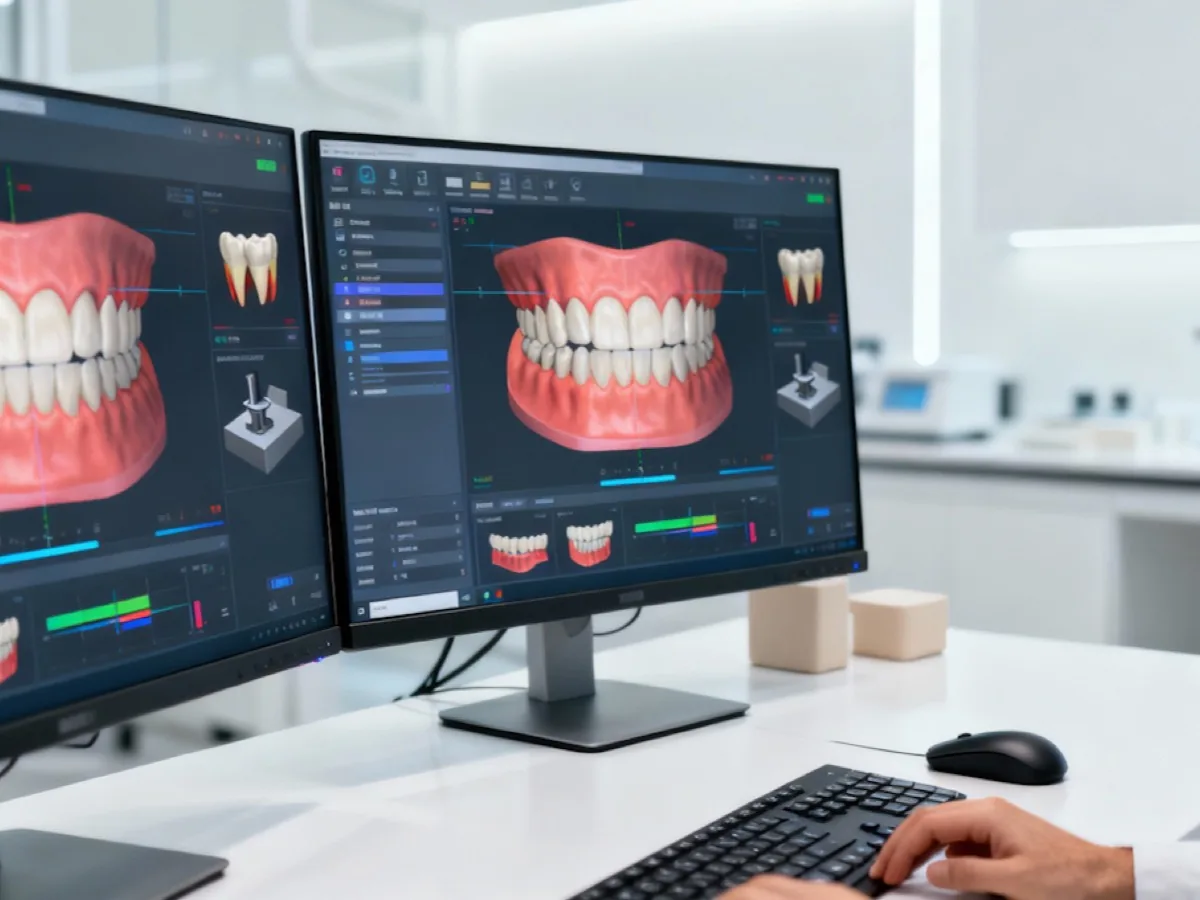
That data goes into the design software, where tooth proportion, midline and smile arc are laid out against your own face — not against a template.
Visit two — the mock-up
The proposed design is transferred into your mouth as a temporary trial. You see it, you speak with it, you photograph it and you show it to somebody whose opinion you trust. Changes made at this stage cost nothing.
Nothing irreversible has happened yet. This is the point of the whole approach.
Visit three — preparation
Once the design is approved, the teeth are prepared conservatively and a final scan is taken. Well-made temporaries — matching the approved design — go on the same day. You leave looking better than you arrived.
Visit four — fitting
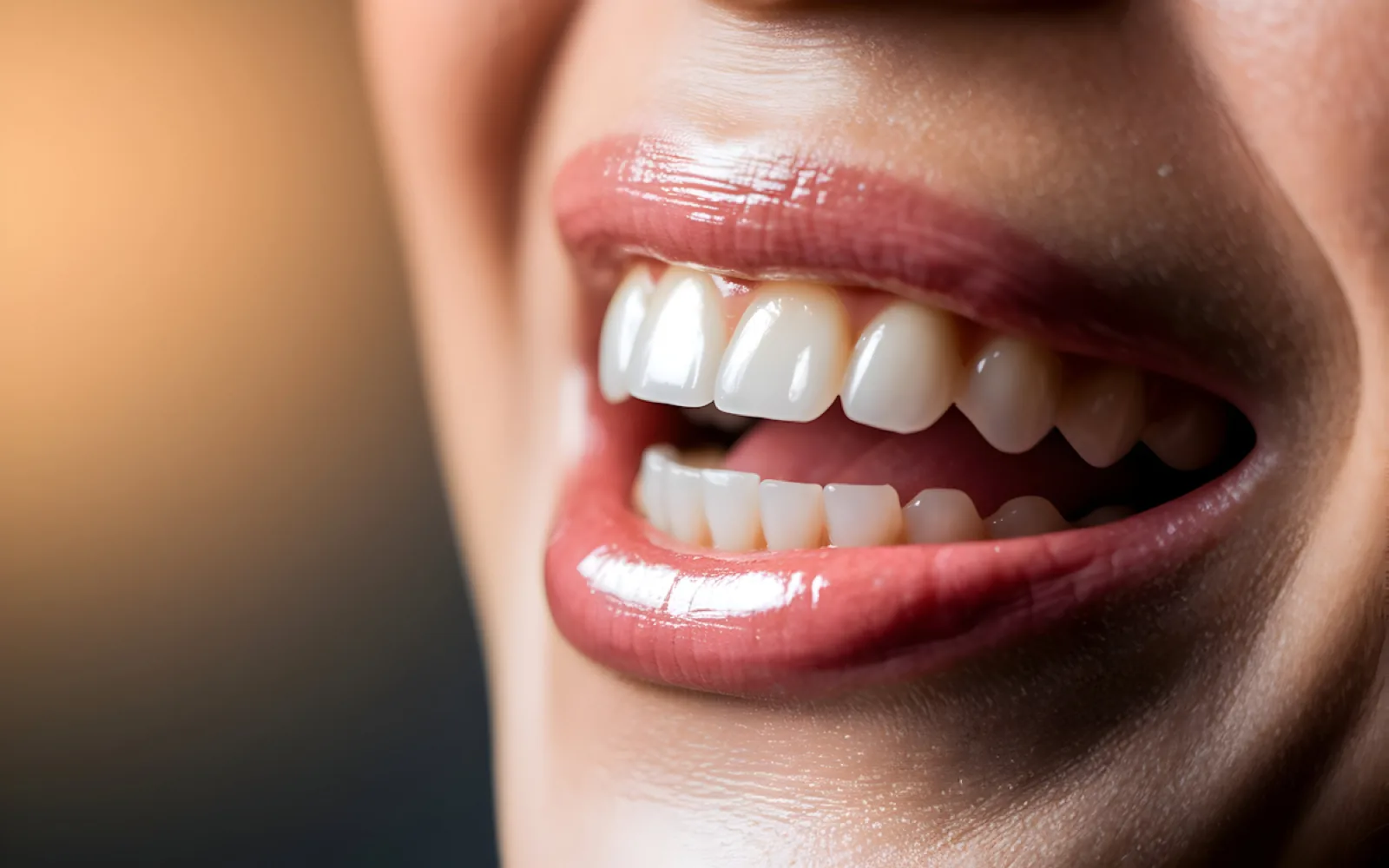
The ceramics are tried in, checked for shade, contact and bite, and bonded. Ten to fifteen days is typical from preparation to fitting.
Afterwards
A review at one week and again at three months. If you grind your teeth, a night guard is not optional — it is what keeps the work intact.
What it will not do
A makeover corrects shape, shade and alignment within limits. Severe skeletal discrepancies need orthodontics or surgery, and we will say so rather than veneer around a problem.